
When politics meets publishing: researchers fight back
Read about how federal pressures to remove EDI-related data are impacting the scientific community – and what they’re doing about it.
A central online news resource for professionals involved in the development of medical publications and involved in publication planning and medical writing.
Read about how federal pressures to remove EDI-related data are impacting the scientific community – and what they’re doing about it.

Explore how publishers, institutions, and researchers are improving the quality of scientific images.

Open access repositories are underreporting corrections and retractions. Discover how they can step up to pave the way for effective archiving.
Problematic research continues to be cited in scientific literature. Is technology the answer?
Find out how reframing retractions as neutral corrections, and reporting them clearly and consistently, could help reduce stigma and uphold research integrity.

Find out more about a new AI service to detect fake manuscripts.
Biomedical science retractions quadrupled between 2000 and 2020, mostly due to research misconduct: why?

Read about the first nationwide investigation into academic research retractions in China, and how it could be used to help monitor research integrity.

Discover how academic journals are using AI to identify problematic images prior to publication.

Explore the results of a new ISMPP poll on how to tackle an inadvertent submission to a predatory journal.
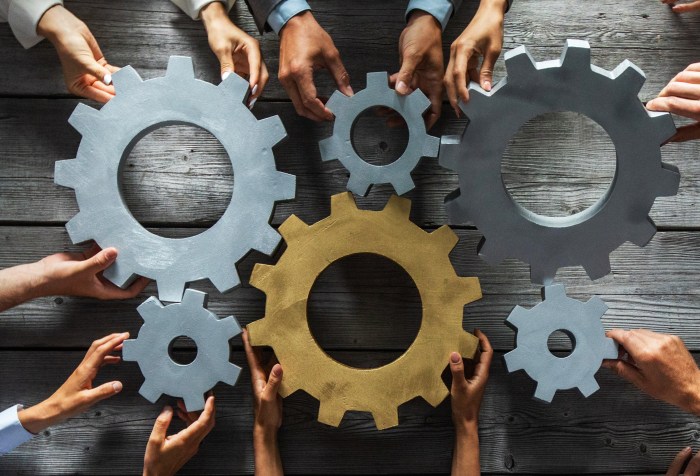
Find out how this pooling of expertise could make it easier to access detailed information on retractions.
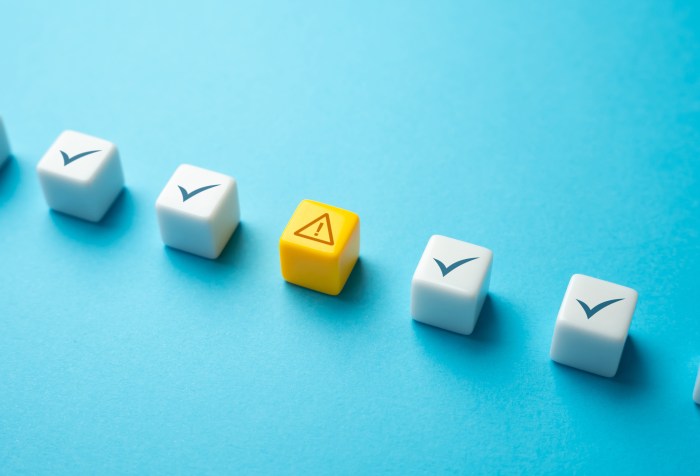
Read about a new advance in the fight against research misconduct.

Learn about practical guidance to help journals and data repositories handle ethical concerns raised during research data publication.

Do we need to worry about the presence of retracted articles in systematic reviews and clinical practice guidelines?
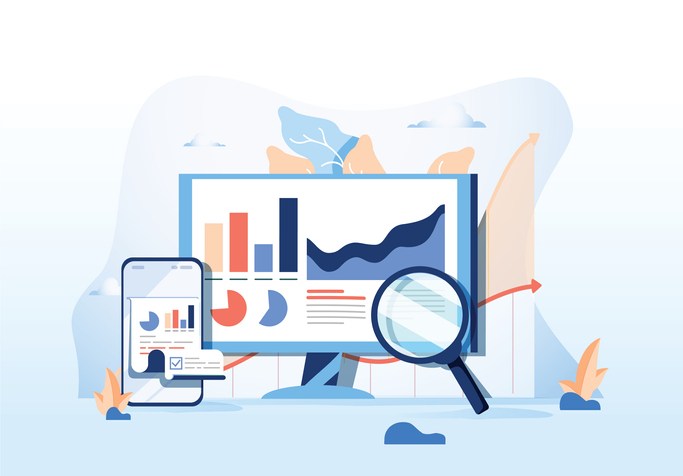
Publishers join with STM to develop new standardised tools to tackle paper mills.
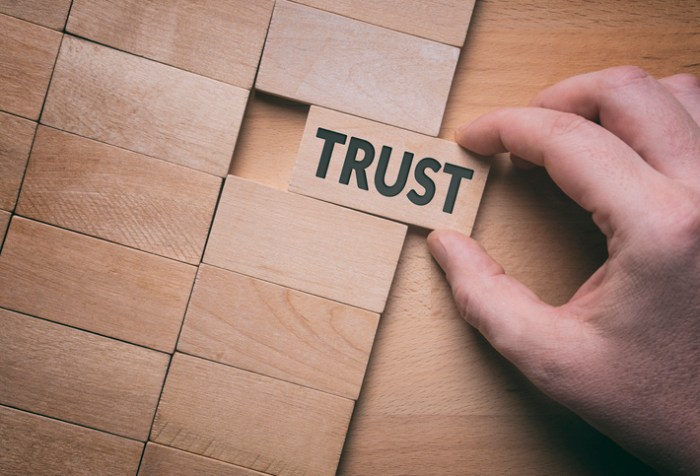
Read about the difficulties in identifying retracted articles and mitigating their real world impact.