Retractions as corrections: shifting the narrative
KEY TAKEAWAYS
- Retractions should be seen as neutral corrections made to preserve the integrity of academic work, rather than punitive actions.
- Consistent communication and transparency throughout the retraction process are key to maintaining trust within academic publishing.
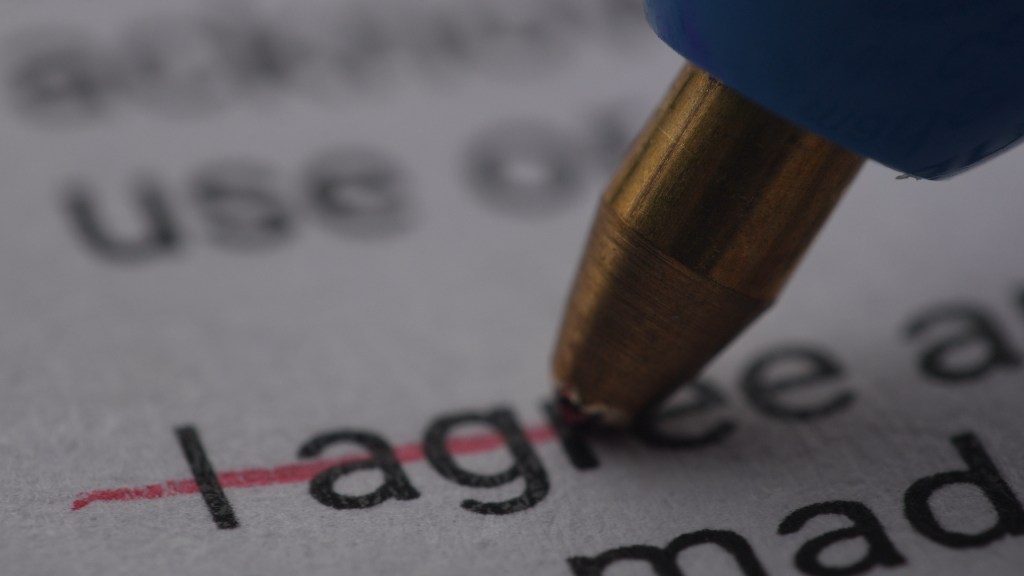
Retractions in academic publishing have long been viewed as a mark of shame, often associated with misconduct. However, this perception can in itself be detrimental to the integrity of the scientific record. As Tim Kersjes argues in an LSE Impact Blog, in order for research to be self-correcting it might be time to shift the narrative and start to view retractions as ‘neutral tools’.
Remove the stigma
Kersjes outlines how the stigmatisation of retractions deters authors from retracting their work, even when errors are discovered. Viewing retractions as a routine part of the scientific process could encourage more authors and editors to retract flawed work, ensuring that the published record remains reliable. While past suggestions have included systems that categorise retractions based on the reasons behind them, Karsjes cautions against this, questioning whether these approaches really remove stigma or have the unintended consequence of increasing it.
Standardise reporting
Meanwhile, The Scholarly Kitchen reported on relevant new guidance by the National Information Standards Organisation (NISO). The Communication of Retractions, Removals, and Expressions of Concern (CREC) Recommended Practice emphasises consistency and transparency in the way that retractions are communicated, rather than focusing on the reason for retraction. In particular, it recommends:
- consistent terminology, including naming protocols
- retraction status to be clearly indicated in the title of the article
- use of watermarks and labels on landing pages
- clear responsibilities regarding handling of associated metadata.
The way forward
It is crucial for all stakeholders—authors, editors, and publishers—to embrace retractions as correction tools and for retractions to be communicated clearly and consistently. In doing so, we can foster a culture whereby the integrity of published research is prioritised above all else.
————————————————–

Categories