
Meeting report: summary of Day 3 of the 21st Annual Meeting of ISMPP
The 21st Annual Meeting of the International Society for Medical Publication Professionals (ISMPP) took place in Washington, DC on 12–14 May. Centring on the theme ‘Diversity and Innovation: In Concert’, the meeting highlighted how uniting varied perspectives can drive creativity and progress in medical communications.
A summary of the third day of the meeting is provided below to benefit those who were unable to attend the meeting, and as a timely reminder of the key topics covered for those who did.
A summary of Day 1 can be found here and our Day 2 summary is here.
Summaries of Day 3
Innovating through diverse therapeutic solutions: update on digital therapeutics
KEY TAKEAWAYS
- Medical communications for DTx must teach, inform, and engage diverse stakeholders across regulatory, clinical, commercial, and technical domains.
- Evidence for DTx must go beyond RCTs to include real-world data, health economics, and patient voice to secure trust and reimbursement.
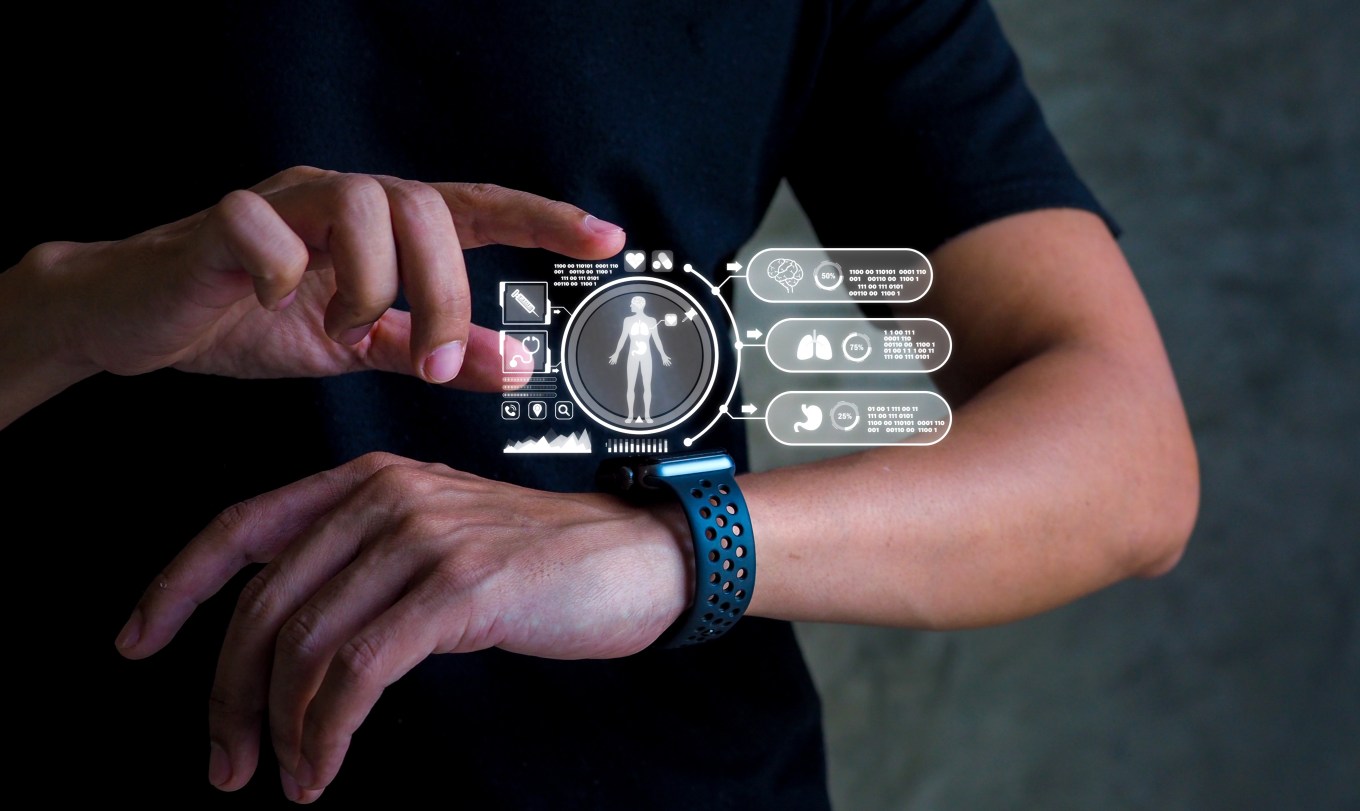
In this parallel session, Claudia Piano (ApotheCom), Frances Thorndike (Nox Health), and Mariya Petrova (Click Therapeutics) offered valuable perspectives and practical considerations for medical communications professionals working in the evolving field of digital therapeutics (DTx). Defined by the DTx Alliance as evidence-based software interventions designed to prevent, manage, or treat medical disorders, DTx are typically delivered through apps, wearables, or other digital platforms. While regulated as medical devices, they present distinct challenges due to continuous data tracking, iterative software development, and complex stakeholder expectations.
While regulated as medical devices, DTx present distinct challenges due to continuous data tracking, iterative software development, and complex stakeholder expectations.
Piano charted the development of the DTx sector from early funding in 2003 to today’s focus on AI-driven personalisation, sustainable business models, and real-world performance. She highlighted how DTx is increasingly embedded into broader care pathways, with implications for cross-functional communication and market access.
Thorndike presented a case study of an FDA-cleared DTx for chronic insomnia, illustrating the types of evidence needed, from clinical trial data to real-world outcomes and health economics. Her presentation emphasised the importance of post-market validation and the inclusion of the patient voice.
In the third part of the session, Petrova explored the publication challenges unique to Prescription Drug Use-Related Software (PDURS), such as compressed timelines, multidimensional audiences, and regulatory uncertainty. She stressed the importance of early strategic planning and adaptable publication approaches.
The session closed with a clear call to arms: despite growing interest, awareness and confidence among clinicians remain limited. Just 34% of surveyed healthcare professionals (HCPs) felt confident recommending Software as a Medical Device (SaMD), and only 32% for Prescription Digital Therapeutics. This gap presents a powerful opportunity for medical communications professionals to take the lead in educating, informing, and elevating the profile of DTx across the healthcare landscape.
The rhythm of innovation: crescendo and drumbeats in concert
KEY TAKEAWAY
- Small, well-executed ideas can create meaningful impact when teams plan, collaborate, and launch with purpose.
As the pace of scientific progress accelerates, medical communicators must find new ways to deliver ethical, effective, and patient-focused messages. Kristyn Morgan (Envision Pharma Group) chaired a session featuring Catherine Skobe (Pfizer), Kathryn Coles (Envision Pharma Group), and Gary Lyons (Coronado Research), which looked at how innovation can be defined, nurtured, and embedded across scientific communication roles—offering actionable insights for professionals seeking to drive change within their organisations.
Skobe opened by exploring the concept of innovation, emphasising its relevance beyond just technological solutions. She highlighted its role in combating misinformation, improving health equity, and strengthening patient outcomes. Drawing on the metaphor of kintsugi, she encouraged embracing imperfection and learning through iteration—framing innovation as both purposeful and creative.
Coles focused on cultivating environments where innovation can thrive. She outlined the importance of frameworks and systems that integrate continuous idea generation, strategic alignment, and collaboration. Innovation, she argued, should be embedded in culture—supported by trust, space to fail, and leadership buy-in.
Innovation needs structure and rhythm—so good ideas don’t stall, but gain momentum and drive meaningful change.

Lyons tackled the practical barriers to adoption. He highlighted the ‘Valley of Death’ where promising ideas often stall due to rigid structures, communication breakdowns, or lack of support. To overcome this, Lyons recommended treating new ideas as structured proposals: define the benefits, build cross-functional teams, and plan for phased implementation. He advocated for launch strategies that include visible leadership support and internal promotion to generate excitement and traction.
The session closed with the powerful message that innovation doesn’t have to be big to be impactful. Even small, well-supported initiatives—like the surgical safety checklist inspired by aviation protocols—can transform healthcare outcomes. For scientific communicators, the challenge and opportunity lie in thinking differently, acting boldly, and fostering a culture where new ideas can take flight.
The right venue: maximising impact across medical congresses and societies
KEY TAKEAWAY
- Effective congress engagement relies on early planning, format adaptability, vigilance against predatory events, and smart use of extenders to maximise reach and inclusivity.
Strategic congress planning: making every meeting matter
Selecting the right medical congress can significantly influence scientific communication, engagement, and long-term impact. During this panel discussion moderated by Susan Cuozzo (GSK), Wendi Schultz (Pfizer) and Melissa Goodman (American Urological Association) shared strategies for selecting venues, avoiding predatory events, and extending the life of congress presentations through global and digital approaches.
Choosing the right congress
Large congresses offer broad reach and visibility, while smaller ones enable deeper dialogue with authors and HCPs. Discussions underscored that planning should begin with a clear understanding of publication goals, timelines, and audience needs. Smaller congresses also offer critical access for HCPs unable to attend larger meetings.
Adapting content and format
Tailoring messages for specific congresses requires balancing scientific rigour with readability. Infographics, QR codes, and inclusive design enhance accessibility. Close alignment with authors and awareness of congress guidelines is key.
Spotting red flags in predatory congresses
Delegates should watch for unsolicited invites, vague event details, and too-frequent scheduling. A lack of transparency or an unusually narrow editorial board may signal concerns. “If it doesn’t feel right, do your research” the panel advised—asking peers and organisers can help confirm legitimacy.
Going global, staying local
Global-to-local strategies can boost inclusion and amplify diverse research, particularly among emerging markets. The American Urological Association’s Global Gateway programme (AUA2025 Annual Meeting) to highlight international research contributions, and diversity, equity and inclusion-driven abstract categories were cited as effective models. Engaging local authors and planning early supports successful facilitation of local meetings.
Extending congress content
PLS, podcasts, videos, and encore presentations can extend a congress’s impact well beyond the event.

Plain language summaries (PLS), podcasts, videos, and encore presentations can extend a congress’s impact well beyond the event. Subtitles increase accessibility, and QR codes ensure initial engagement—even before manuscript publication. When authors support these extenders, their advocacy strengthens dissemination.
Guided Poster Tour
Attendees had the opportunity to attend guided poster tours of the following posters:
- Insights from post-publication peer review to guide authors on transparency, engagement, and narrative control – Pamela Harvey
- Clinical guidelines: potential implications of not managing citations to retracted articles – Marissa Buttaro, Stephen Craig, Andy Shepherd
Evolution of AI prompts in medical publication development: practical considerations and guidance
KEY TAKEAWAY
- Thoughtful prompt engineering with iterative, multi-agent approaches is key to harnessing AI effectively in medical writing but human oversight remains essential.
In this illuminating session, presenters Vijay Krishnan (Pfizer), Michael Pellegrino (ICON Global Medical Communications) and Tony Lan (Merck) unpacked the science behind prompt engineering, which is crucial to unlock AI’s full potential in medical publications.
Engineered vs non-engineered
Lan explained how non-engineered (or “zero-shot”) prompts are straightforward queries with minimal structure and no refinement before use. Engineered prompts use examples, contextual cues, or even AI-generated scaffolds to produce more targeted outputs. Engineered prompts range from one-shot designs upwards, and their quality increases with prompt relevance, specificity, and volume of example material provided—though so does the effort. Users should be aware of their desired time commitment, since drafts using engineered prompts will still need substantial review and revision by subject matter experts.
Iterative agents: AI playing in harmony
Krishnan introduced the concept of using multiple AI agents to improve outputs. For example using AI in the roles of “writer” and “critic” in an iterative process to refine content. This back-and-forth dynamic mimics the editorial process and can help generate outputs closer to publication-ready material. These agents can be trained to remember tone, journal preferences, and terminology.
Future perspective
AI is evolving quickly and will eventually become commonplace; however the core principals of scientific publishing will remain unchanged.

AI is evolving quickly and will eventually become commonplace; however the core principals of scientific publishing will remain unchanged. Most companies will not currently be using AI in this capacity and medical writers have an important role in developing the “Writer” agent.
Keynote – Generative AI: how human expertise and authenticity matter more than ever
KEY TAKEAWAY
- Generative AI is a tool that everyone should be using, and we need to learn how to get the best out of it. Medical publication professionals can leverage the power of generative AI to enhance their productivity and become content domain experts.
Tech expertise is not needed
Conor Grennan (NYU Stern School of Business) started his presentation by disclosing that he is not a technical expert, and that his presentation would have little to do with technology. But Conor explained this shouldn’t be a barrier to successfully using AI. He gave an example of how AI interacts with us: in response to being told it had given an incorrect response to a question, the generative AI apologised and stated that it had performed some research, which Conor explained was a lie. This demonstrates to us how generative AI works – it provides answers in a similar way to humans, modelling its behaviour on what it observes.
Speak to AI like it’s human
Understanding that generative AI is mimicking human behaviour allows us to make a shift in the way we use it. Rather than interacting with AI like it’s Google, we should be asking it questions as if it were a person. Conor gave an example of trying to plan a holiday in Costa Rica. Google may provide you with a list of the top ten things to do, but won’t generate a personalised response based on your interests. Instead you can tell AI that it is the head of the tourism board in Costa Rica, and have it ask you questions to find the activities best suited to you.
The value of domain expertise and tone
Having expertise in an area gives us an advantage that generative AI can’t replicate. Our understanding allows us to lead AI in content generation knowing what quality looks like and what drives value for us. The most important thing in the AI era is domain expertise by a human individual. Although AI can generate content, it will never have specific knowledge; companies should therefore be careful not to lose people with this expertise. Conor recommended that we write first drafts of documents, to maintain personal tone and style; otherwise all content will start to look the same.
The most important thing in the AI era is domain expertise by a human individual.

Integrate AI into your working
Conor urged us not to spend time thinking about which tasks we should use AI for. Instead we should be using it automatically for everything. AI should be augmenting us, not the other way around.
Member research oral presentations
BlueSky vs X: can a new platform dethrone the HCP social media giant?
KEY TAKEAWAY
- Bluesky is emerging as a key platform for healthcare professional engagement, signalling a shift in professional medical communication strategies.
Leslie Rotz (Fingerpaint Medical) presented a study investigating whether Bluesky —an emerging social media platform—could challenge X (formerly Twitter) as the leading space for HCP engagement.
Analysing data from 472 HCP digital opinion leaders (DOLs) between 2019 and 2024, the study showed a clear trajectory: X experienced a rise in activity during the COVID-19 pandemic, followed by a notable decline after the platform’s change in ownership in 2022. Meanwhile, Bluesky has been steadily gaining ground, especially among infectious disease specialists, oncologists, and rheumatologists. The shift was evident during major medical congresses, where X’s hashtag activity dropped while Bluesky saw an increase in both hashtag creation and sharing of medically relevant content.
Bluesky has been steadily gaining ground, especially among infectious disease specialists, oncologists, and rheumatologists.
These patterns suggest a broader shift in how HCPs communicate online. As Rotz concluded, the growing presence of HCP DOLs and congress conversations on Bluesky suggests a strategic pivot is underway in medical social media, with important implications for how and where scientific dialogue takes place.
Collaboration with patient partners and data scientists to develop a lexicon for Artificial Intelligence-enhanced medical communication
KEY TAKEAWAY
- AI-assisted, patient co-created lexicons can enhance the clarity and accessibility of medical content for people living with rare diseases.
Anne Clare Wadsworth (Amica Scientific) presented the findings from a pilot study exploring how AI can improve PLS for people living with myasthenia gravis (MG).
The authors collaborated with 4 patient partners to co-create a lexicon of 118 terms, covering MG, treatments, and clinical trials. Using an AI application, the lexicon was applied to 19 MG-related PLS, resulting in 80 unique content improvement suggestions. A professional medical writer confirmed that 68% of these AI-recommended changes would have been adopted in practice. Patient partners also contributed 48 revisions to refine the lexicon.
Feedback from both patient partners and users of the AI tool was positive, despite limitations such as a small sample size and the early development stage of the AI app. Wadsworth concluded that combining AI technology with patient insights holds significant promise for accelerating the creation of accessible, patient-focused medical communications.
Combining AI technology with patient insights holds significant promise for accelerating the creation of accessible, patient-focused medical communications.
In harmony: a musical exploration of connection, collaboration and creativity
KEY TAKEAWAYS
- Songwriting and medcomms writing both require storytelling, listening, and authenticity.
- Collaboration can take many forms, each enriching the creative process.
In an inspiring ISMPP session centred on the theme of creativity through music, attendees were treated to an unexpected but inspiring experience. Participants heard the personal and professional journey of singer-songwriter Dheepa Chari (GSK). Tracing her musical roots back to her grandmother in India, Chari shared how her passion for music evolved alongside a scientific academic path. She drew compelling parallels between songwriting and medical publications writing, highlighting the importance of storytelling, authenticity, and the power of listening.
Participants reflected on their own creative inspirations and were encouraged to prioritise simplicity and honesty in their communication.

Participants reflected on their own creative inspirations—ranging from nature and empathy to patients and AI—and were encouraged to prioritise simplicity and honesty in their communication. The session concluded with live performances by Chari and her producer and jazz musician Sandro Albert, each song illustrating a unique form of collaboration and offering fresh perspectives on the creative process.
Encore! Hot topics and meeting highlights
KEY TAKEAWAYS
- AI is prompting a re-evaluation of writing workflows and the need for thoughtful application in content creation and metrics.
- Traditional success measures are no longer enough—there’s a call for new, meaningful metrics that reflect real-world impact.
A lively ISMPP plenary session brought together programme chairs and leaders for a reflective discussion on the meeting’s standout moments. Richard Davis (ApotheCom) introduced the session with a Shakespearean-style prologue written by ChatGPT—complete with theatrical stage directions—setting the tone for a creative and thoughtful exchange.
Panellists shared personal insights, with recurring themes of collaboration, empathy, and innovation. Jennifer Ghith (GSK) highlighted the productive dialogue on collaboration with publishers and the need for simplification around copyright. Kris Schuler (Pfizer Oncology) observed that medical publications are at an inflection point, emphasising empathy, tone, and cross-sector collaboration to improve patient care.
Dana Fox (IPG Health Medical Communications) reflected on the interconnected focus areas of communication, collaboration, and innovation, noting ISMPP’s work to navigate regional disparities and promote equity. Valerie Moss (Prime Global) echoed the importance of empathy, especially in making patients feel seen and heard through writing.
Davis underscored ISMPP’s cross-functional collaboration, highlighting the work of the AI taskforce. A spirited discussion on the role of AI prompted Ghith to rethink using it for first drafts, while others considered AI’s potential for supporting better metrics. The panel agreed on the need to move beyond traditional metrics toward ones that better reflect engagement and real-world value.
The panel agreed on the need to move beyond traditional metrics toward ones that better reflect engagement and real-world value.

Board of Trustees ceremony and closing remarks and CMPP update
KEY TAKEAWAYS
- ISMPP reaffirmed its core values and commitment to respectful, engaged leadership.
- Attendees were encouraged to stay involved through events, podcasts, and MedComms Day.
Chair of the ISMPP Board of Trustees, Tomas Rees (Oxford PharmaGenesis), opened the ceremony by reflecting on the organisation’s 2024 achievements and the Board’s progress. The traditional plaque and gavel ceremony followed, marking the leadership transition to Chair Elect Diane Stothard (Eli Lilly and Company). Stothard shared her vision for 2025, centred on deeper engagement with AI, respectful collaboration, and a commitment to uphold ISMPP’s core values. Notably, she announced that AI competency will be incorporated into the CMPP exam.
Prizes were awarded for exhibitor-sponsored competitions, and closing remarks were delivered by Jennifer Ghith (GSK), who extended thanks to Kris Schuler (Pfizer Oncology), the ISMPP staff, boards, sponsors, and programme contributors.
Attendees were reminded that 25 June is MedComms Day and were encouraged to post using #MedCommsDay. Key upcoming meetings include the 2026 European Meeting, to be held 26–28 January in London, and the 2026 Annual Meeting, taking place 20–22 April in Washington, DC.
Why not also read our summaries of Day 1 and Day 2 of the meeting?
——————————————————–
Written as part of a Media Partnership between ISMPP and The Publication Plan, by Aspire Scientific, an independent medical writing agency led by experienced editorial team members, and supported by MSc and/or PhD-educated writers.
——————————————————–

Categories