Meeting report: summary of Day 2 of the 21st Annual Meeting of ISMPP
Already read our day one report from the Annual Meeting of ISMPP? Here’s everything you need to know from day two!
A central online news resource for professionals involved in the development of medical publications and involved in publication planning and medical writing.
Already read our day one report from the Annual Meeting of ISMPP? Here’s everything you need to know from day two!
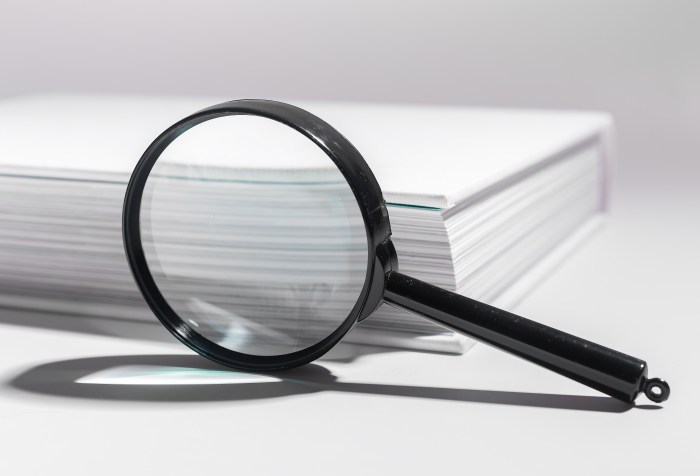
Discover how nearly a third of academic journals are confronting fraudulent submissions, as revealed in a recent report.
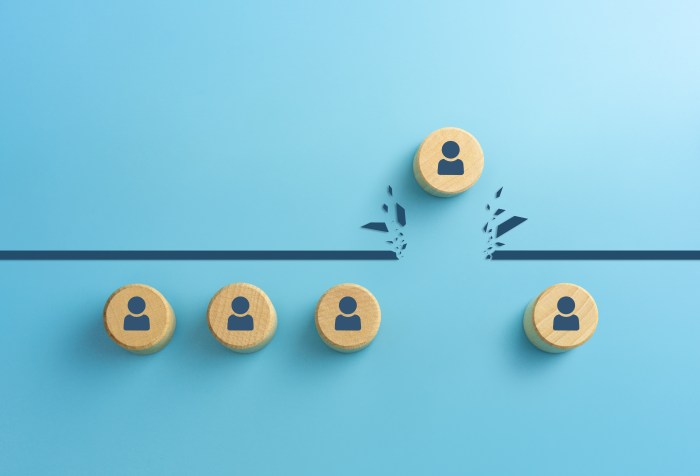
Read about changes that journals can make to remove barriers for non-native English speakers, including being open to new technologies such as AI.
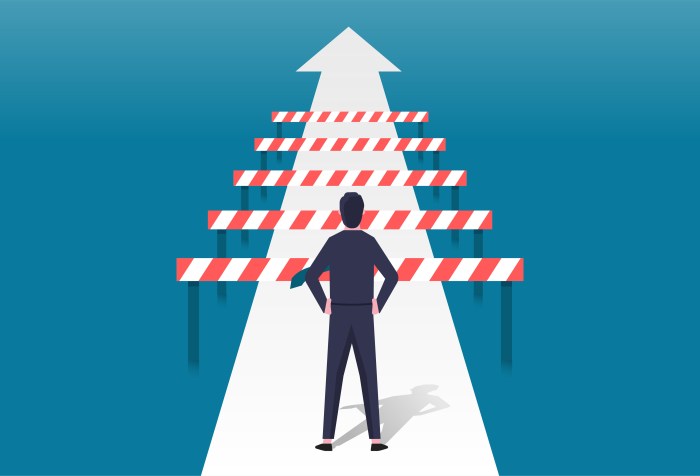
Find out more about the barriers non-native English speakers face in scientific publishing, and initiatives that are starting to help.
What can be done to make medical conferences more accessible? Find out by listening to the latest InformED podcast.
Carrie Brubaker, Amanda Ryan and Helen Williams discuss the importance of translating medical communications.
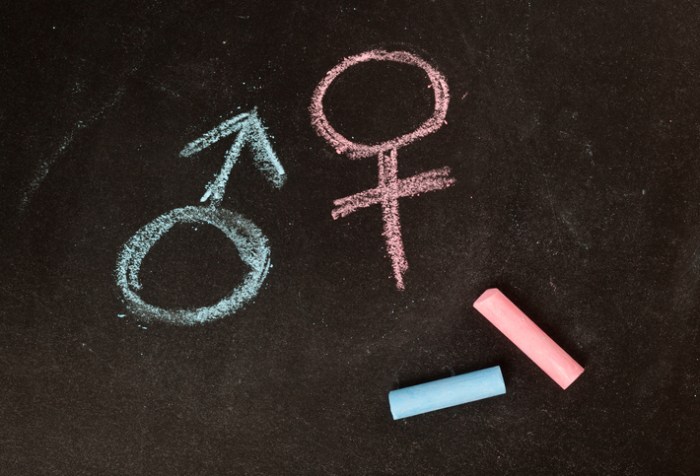
Find out why sex matters in medical research and why you should consider sex and gender guidelines when reporting data.
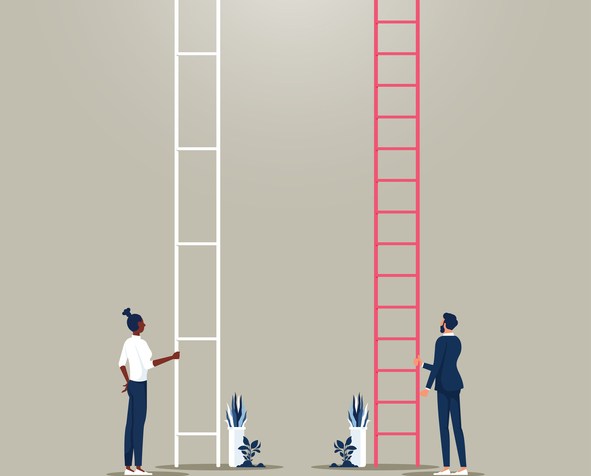
An analysis of 47 BMJ journals found that under one-third of peer reviewers were women.
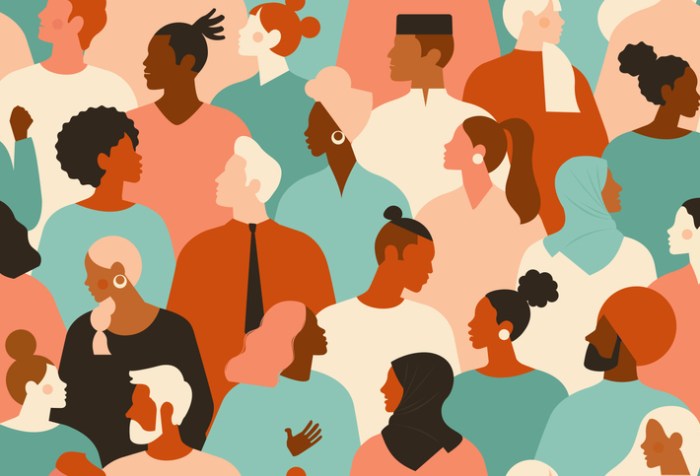
Learn about the current failings in race and ethnicity reporting in regulatory documents and medical literature and how they can be overcome.
Craig Lipset discusses the benefits of decentralised clinical trials.
A conference organiser discusses the pros and cons of different meeting formats, and the key components of successful hybrid events.
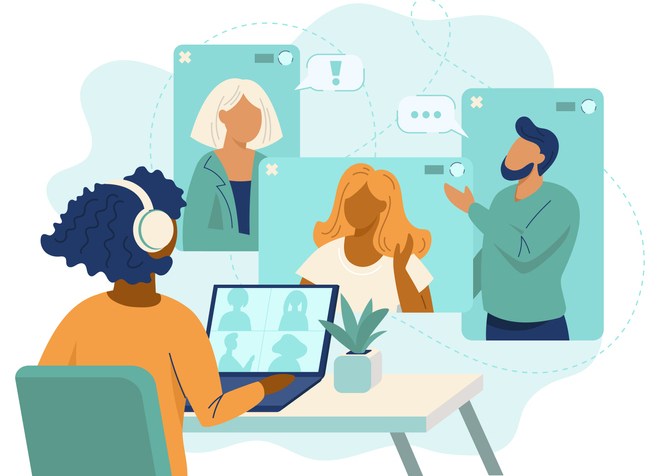
Learn how medical congress attendees and organisers have been impacted by the move to virtual and hybrid formats, and how congresses may improve in the future.

Dr Tony Ross-Hellauer (ON-MERRITT) discusses how the move toward open research may exacerbate inequity and suggests strategies to prevent it.
Missed the meeting? Read our report to get up to speed!

Find out why journals are planning to ask authors, reviewers, and editors about their gender, race, and ethnicity.
Read about the proposed actions to increase social justice in scientific publishing.