
Legacy publishing and open access: how to detect the true predator
Find out more about how some are labelling even legitimate open access journals as ‘predatory’.
A central online news resource for professionals involved in the development of medical publications and involved in publication planning and medical writing.
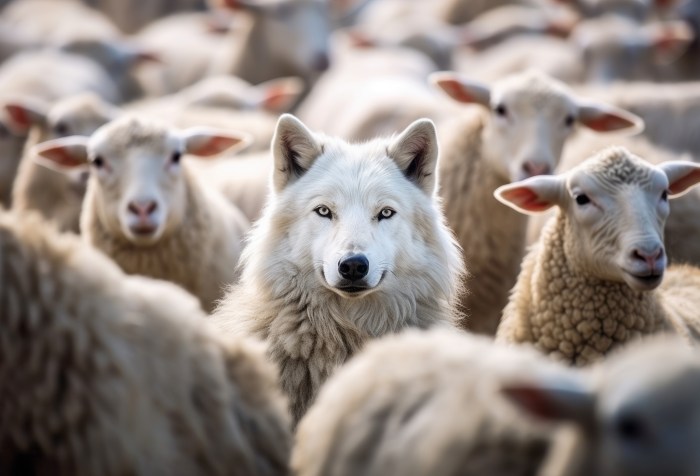
Find out more about how some are labelling even legitimate open access journals as ‘predatory’.

Get up to speed with the latest editorial from ICMJE to protect your publications from predatory journals and safeguard the integrity of scientific publishing.

Explore the ongoing threat of journal hijacking and the steps researchers and publishers can take to protect research integrity.
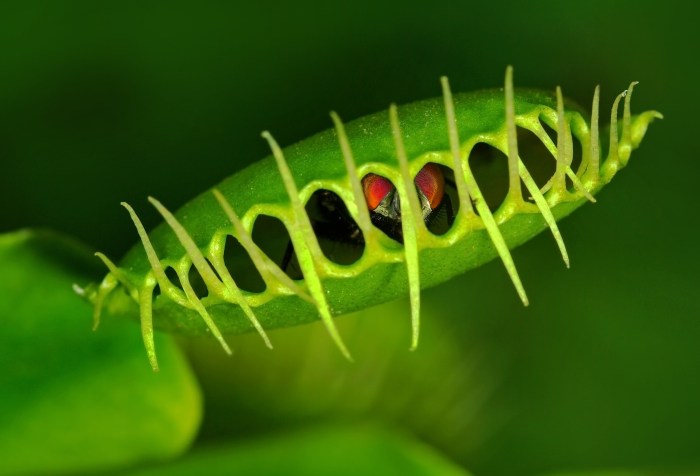
Protect your research from predatory publishers with these top tips from the editors of legitimate open access journals.

Learn how institutions can counter the rise of predatory publishers by educating researchers, fostering collaboration, and re-evaluating researcher assessment criteria.

Discover how fraudsters hijack legitimate journals to infiltrate scholarly databases.
Explore the results of a new ISMPP poll on how to tackle an inadvertent submission to a predatory journal.

Learn about the driving forces behind authors’ involvement with predatory journals and strategies to address this issue.
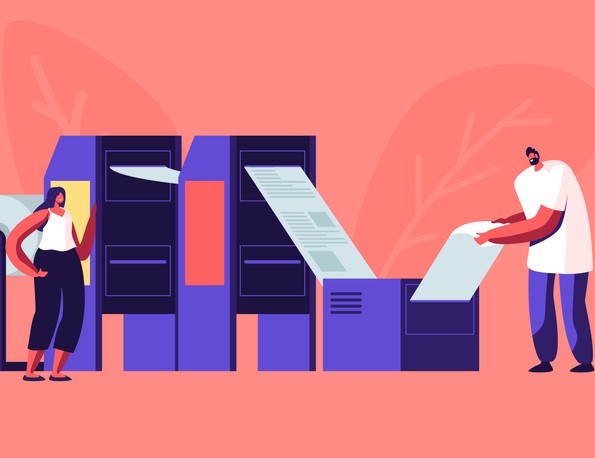
Read about the new weapon in the fight against bogus scientific research articles.

How many predatory journals are indexed on the citation database Scopus, and what can be done to address the issue?

Cabells and CIBER Research tell us why predatory publishing remains commonplace across the world.

Learn how predatory journals are identified, and why journal ‘watchlists’ and ‘safelists’ have their own pitfalls.

Kyle Siler describes the complexities of differentiating predatory and non-predatory publishing.

Publons data show many predatory journals enlist scholars to perform peer review – young researchers should be particularly wary.
Tips on journal selection from MPIP.

Cabell’s Journal Blacklist expands further.